
10 Smart Trading Card Buying Strategies That Actually Save You Money

If you’ve been collecting for more than five minutes, you already know the truth: it’s incredibly easy to overspend in this hobby. Between hype cycles, flashy releases, and fear of missing out, even experienced collectors get caught making purchases they regret.
This list is not about generic advice. These are practical, field-tested strategies that real collectors use to stretch budgets, avoid traps, and still build impressive collections.
1. Buy Singles Instead of Chasing Packs

Opening packs is fun. It’s also the fastest way to burn through your budget with nothing to show for it. If you’re targeting specific players or cards, buying singles is almost always cheaper.
Most boxes are structured so the average return is below the cost. That’s not bad luck—it’s by design. Singles let you skip the gamble and go straight to what you want.
2. Avoid Release Week Hype

Prices during release week are inflated. Collectors rush in, breakers push demand, and sellers test the ceiling.
Wait two to four weeks. Once supply floods the market, prices often drop sharply—especially for non-elite cards. Patience here can save you 20–50%.
3. Learn Grading Before You Buy Raw

Raw cards look clean in photos, but small flaws can crush value. Before buying, understand centering, surface, corners, and edges.
If you can’t confidently evaluate a card, assume it won’t grade high—and price it accordingly.
4. Target Undervalued Players, Not Trends

Chasing the hottest name is the most expensive move in the hobby. Instead, look for players with strong fundamentals but less hype.
Value tends to follow performance over time, but hype spikes are temporary. Buying ahead of attention is where the real upside lives.
5. Set a Strict Monthly Budget
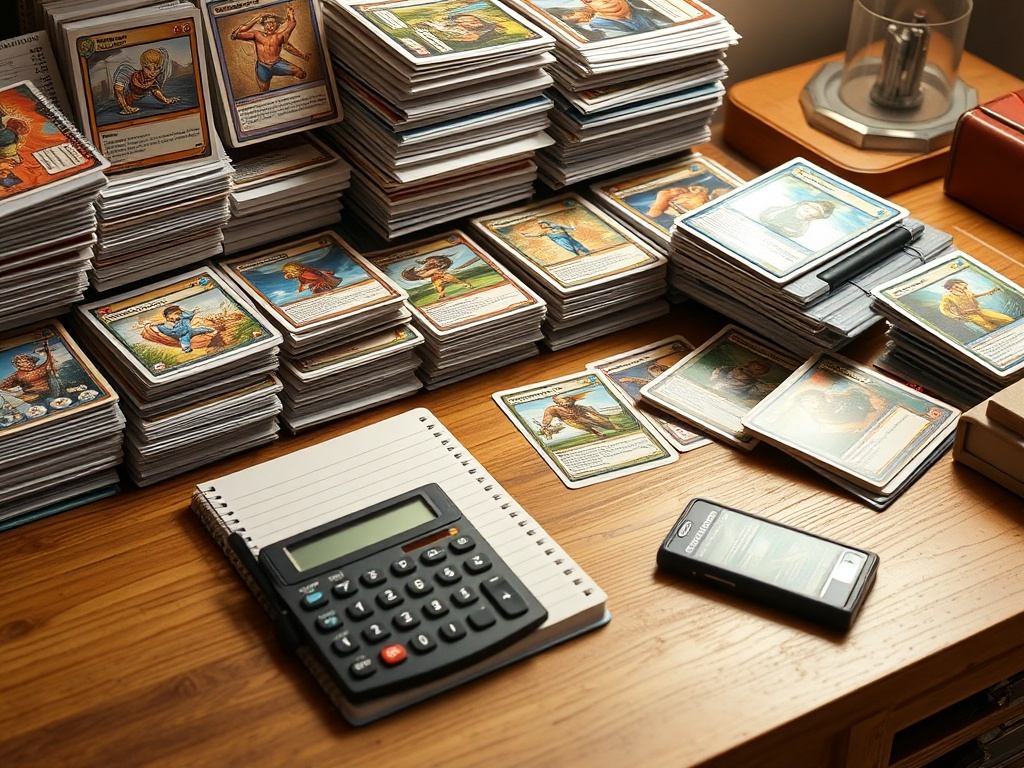
This sounds obvious, but most collectors don’t actually enforce it. Decide what you can comfortably spend—and stick to it.
A fixed budget forces better decisions. You’ll naturally prioritize quality over impulse buys.
6. Use Auctions Strategically
Auctions can be gold mines if you time them right. Look for listings ending at odd hours or midweek when fewer bidders are active.
Set your max price ahead of time and don’t chase at the last second. Discipline is what turns auctions into deals.
7. Buy Lots for Hidden Value

Bulk lots often include overlooked gems. Sellers price them for convenience, not precision.
If you’re willing to sort, you can extract significantly more value than you paid—especially in player-focused or team lots.
8. Track Prices Before Pulling the Trigger
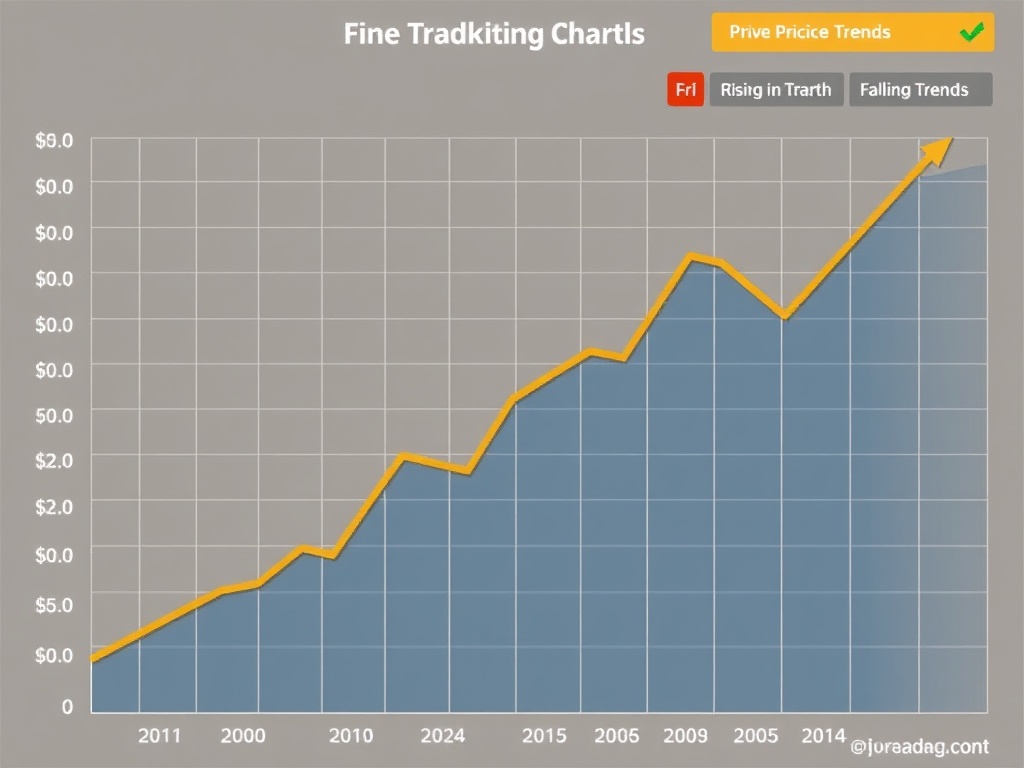
Never buy a card without checking recent sales. Prices fluctuate constantly, and a listing might be far above market.
Spend a few minutes reviewing comps. That small effort can save you from overpaying by a wide margin.
9. Don’t Overpay for Graded Commons
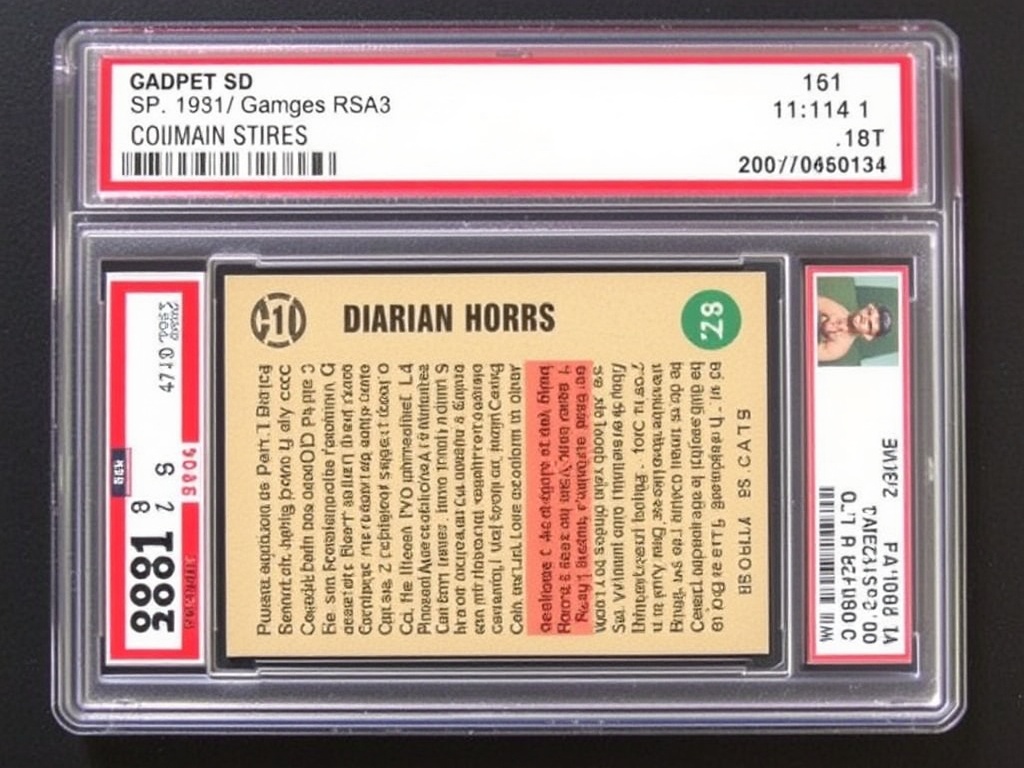
A high grade doesn’t automatically mean high value. Plenty of common cards exist in large quantities, even in top condition.
Focus on scarcity and demand, not just the grade label.
10. Build Relationships With Sellers

Repeat buyers often get better deals. Whether it’s a local shop or an online seller, relationships matter.
Over time, you may get early access, discounts, or bundle pricing simply because you’re a trusted customer.
Collecting is supposed to be enjoyable—not financially stressful. The difference between a satisfying collection and a regret-filled one usually comes down to decision-making habits.
Use these strategies consistently, and you’ll notice something interesting: your collection improves while your spending becomes more controlled. That’s the sweet spot every collector is chasing.