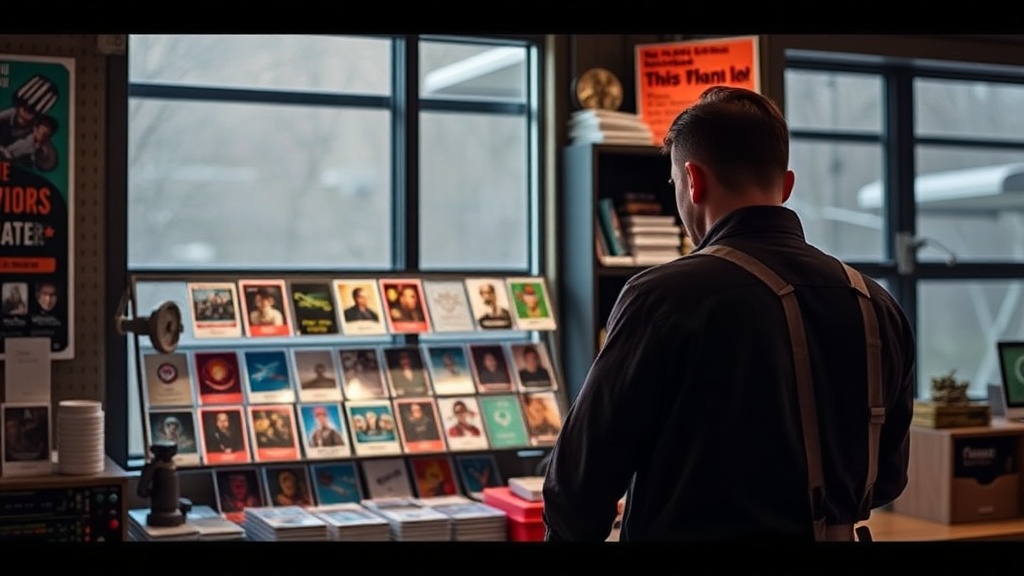
Building a High-End Card Display That Looks Great and Stays Safe

Protecting Your Collection While Showing It Off
Are you worried that putting your most expensive cards on display might actually lead to more damage? It's a valid concern. Most collectors face a dilemma: do you keep your cards tucked away in dark, airtight boxes to preserve their condition, or do you display them where you can actually enjoy them? This guide covers the middle ground—how to build a display setup that showcases your heavy hitters without exposing them to light, dust, or environmental shifts.
Displaying cards isn't just about aesthetics; it's about structural integrity. A poorly planned display can lead to warped cardboard, faded ink, or even cracked acrylic-protected slabs. We'll look at the best ways to organize your collection visually while keeping the technical requirements of preservation in mind.
Where Should I Display My Trading Cards?
The first thing you need to consider is location. You might want to put that rare holographic card on your desk or a bookshelf, but not all rooms are created equal. If you're putting a display case in a room with high foot traffic, you're inviting dust and physical bumps. If you put it in a room with a large window, you're inviting UV damage.
Avoid placing displays near heat sources like radiators or fireplaces. Even if your cards are in graded slabs, heat can cause the plastic to expand or even affect the internal pressure of the case. Similarly, avoid direct sunlight. UV rays are the enemy of ink. Even high-quality printing can fade over time if exposed to consistent sunlight. If you must display near a window, use UV-resistant glass or acrylic covers to act as a shield.
What Is the Best Way to Organize a Card Collection?
Once you've picked a spot, you need a system. A messy display looks cluttered, and a cluttered display makes it hard to find what you're looking for. There are several ways to approach this, depending on your collection's size and the type of cards you own.
The Slab-First Method
If most of your collection consists of graded cards (PSA, BGS, or SGC), a tiered acrylic stand is your best friend. These stands allow you to see the front and back of the slab easily. You can group them by set, by era, or by color to create a cohesive look. This method is highly effective because the slab provides all the structural support needed.
The Binder-to-Display Transition
If you have a lot of raw, single cards, you'll want to move them into high-quality penny sleeves and top loaders before they ever touch a display shelf. A common mistake is leaving raw cards in loose sleeves on a shelf. Dust will find its way into the sleeve, and the card will degrade. Always ensure there is a rigid barrier between the card and the air.
The Wall-Mounted Approach
For those with a smaller, highly curated selection, wall-mounted display cases are excellent. These are often enclosed glass or acrylic boxes that can be hung like a picture frame. This keeps the cards away from surface-level dust and prevents them from being knocked over. Just ensure the mounting hardware is sturdy enough to handle the weight of multiple heavy slabs.
How Do I Prevent Dust and Humidity from Ruining My Display?
Dust is a slow killer. It settles on everything, and if it gets into the cracks of a display case, it can eventually settle on the cards themselves. A clean, enclosed case is your best defense. When shopping for displays, look for models that feature a tight seal.
Humidity is a more subtle threat. If your display is in a room with fluctuating humidity, the cardboard can absorb moisture, leading to warping (often called "warping" or "curling"). To prevent this, you might consider placing small, discreet desiccant packets inside the base of your display case—but never directly touching the cards. This helps maintain a stable micro-environment inside the case.
For more technical details on how environmental factors affect paper products, you can check out the resources at the