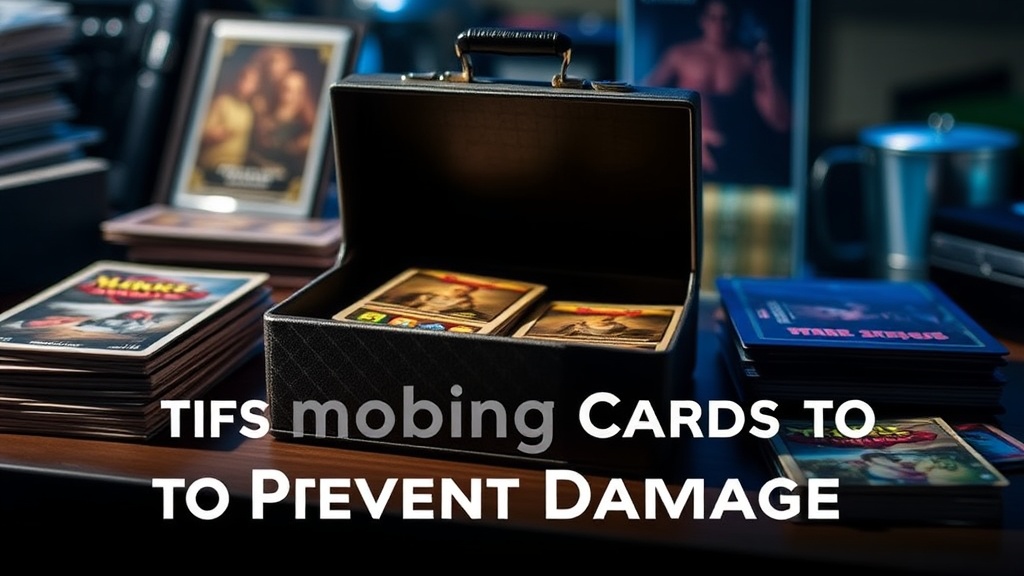
How to Properly Store Your Trading Cards to Prevent Damage

Quick Tip
Always use acid-free, archival-quality sleeves and store cards vertically in a cool, dry place away from direct sunlight to maintain their condition and value.
What This Guide Covers (and Why It Matters)
Trading cards face constant threats—humidity, light exposure, fingerprints, and bending. This guide breaks down practical storage methods that protect card condition and resale value. Whether you're safeguarding a 1952 Topps Mickey Mantle or last month's Pokémon pulls, proper storage isn't complicated. The payoff? Cards that grade higher and sell faster when the time comes.
What Are the Best Card Sleeves for Trading Cards?
Polypropylene sleeves are the industry standard for raw card protection. You'll want to start with penny sleeves—thin, clear polypropylene bags that cost mere cents—for initial protection. The catch? They're not rigid. That's where top loaders come in.
For mid-range cards, the Ultra-PRO Regular Series sleeves work fine. High-end cards deserve better—Dragon Shield Perfect Fit sleeves or KMC Perfect Size sleeves offer tighter fits and clearer plastic. Don't double-sleeve with PVC products (the ones that smell like a beach ball). PVC releases plasticizers over time. Your cards turn yellow. It's devastating.
Worth noting: side-loading sleeves versus top-loading sleeves sparks endless debate. Side-loaders keep dust out better. Top-loaders are faster to use. Pick your poison.
How Should You Store Trading Cards Long-Term?
Store cards vertically in a cool, dry place away from direct sunlight. Horizontal stacking creates pressure points. Cards warp. Binders with D-rings (not O-rings) prevent page sagging—the Ultra-PRO 3-Ring Binder paired with BCW Pro 9-Pocket Pages remains a collector favorite.
Here's the thing about boxes: BCW Storage Boxes and Cardboard Gold boxes come in 200-count, 400-count, and 3,200-count sizes. Don't overfill. Cards should slide in and out without resistance. For graded cards (PSA, BGS, CGC), Graded Card Storage Boxes from BCW have individual slots—no shifting during moves.
| Storage Method | Best For | Price Range | Brands to Consider |
|---|---|---|---|
| Penny Sleeves | Bulk commons, temporary holding | $1-3 per 100 | Ultra-PRO, BCW, Dragon Shield |
| Top Loaders | Moderate-value singles | $3-6 per 25 | Ultra-PRO, Cardboard Gold |
| One-Touch Magnetic Cases | High-end cards ($100+) | $2-5 each | Ultra-PRO, Pro Mold, BCW |
| Graded Card Slabs | Authenticated gems | $15-50+ per card | PSA, BGS, CGC |
What Temperature and Humidity Protect Trading Cards?
Keep cards between 60-70°F (15-21°C) with 30-50% relative humidity. Basements flood. Attics roast. Both destroy collections. Richmond summers get sticky—invest in a Eva-Dry E-333 Mini Dehumidifier for enclosed storage spaces or use DampRid moisture absorbers in closets.
That said, consistency beats perfection. Fluctuations cause more damage than slightly suboptimal conditions. Don't store cards near HVAC vents, exterior walls, or windows. PSA's CardCare guidelines emphasize stable environments above all else.
Sunlight fades card borders and yellows vintage stock in months. UV protection matters if you display cards—the BCW UV-Protected One-Touch cases filter harmful light. For serious collectors, Smithsonian conservation resources offer deeper scientific guidance on archival storage.
One final note on handling: wash hands. No exceptions. Oils transfer instantly. For $500+ cards, cotton gloves (available at BCW Supplies) aren't overkill—they're insurance.
Need supplies? Dave & Adam's Card World, Blowout Cards, and direct from manufacturers remain reliable sources. Local card shops in Richmond like Sports Cards Plus often stock basics without shipping costs. Protect the collection. Sleep better. It's that simple.